
Wheat- DBW 303 (Karan Vaishnavi)
DBW 303 (Karan Vaishnavi) - a high-yield, disease-resistant wheat released by ICAR-IIWBR (Karnal) for early-sown irrigated crops in the North-Western Plains. Maturing in around 156 days, it offers bold grain, excellent chapati quality and strong resistance to yellow, brown and black rusts plus wheat blast — an ideal choice where early sowing and rust resistance are priorities.
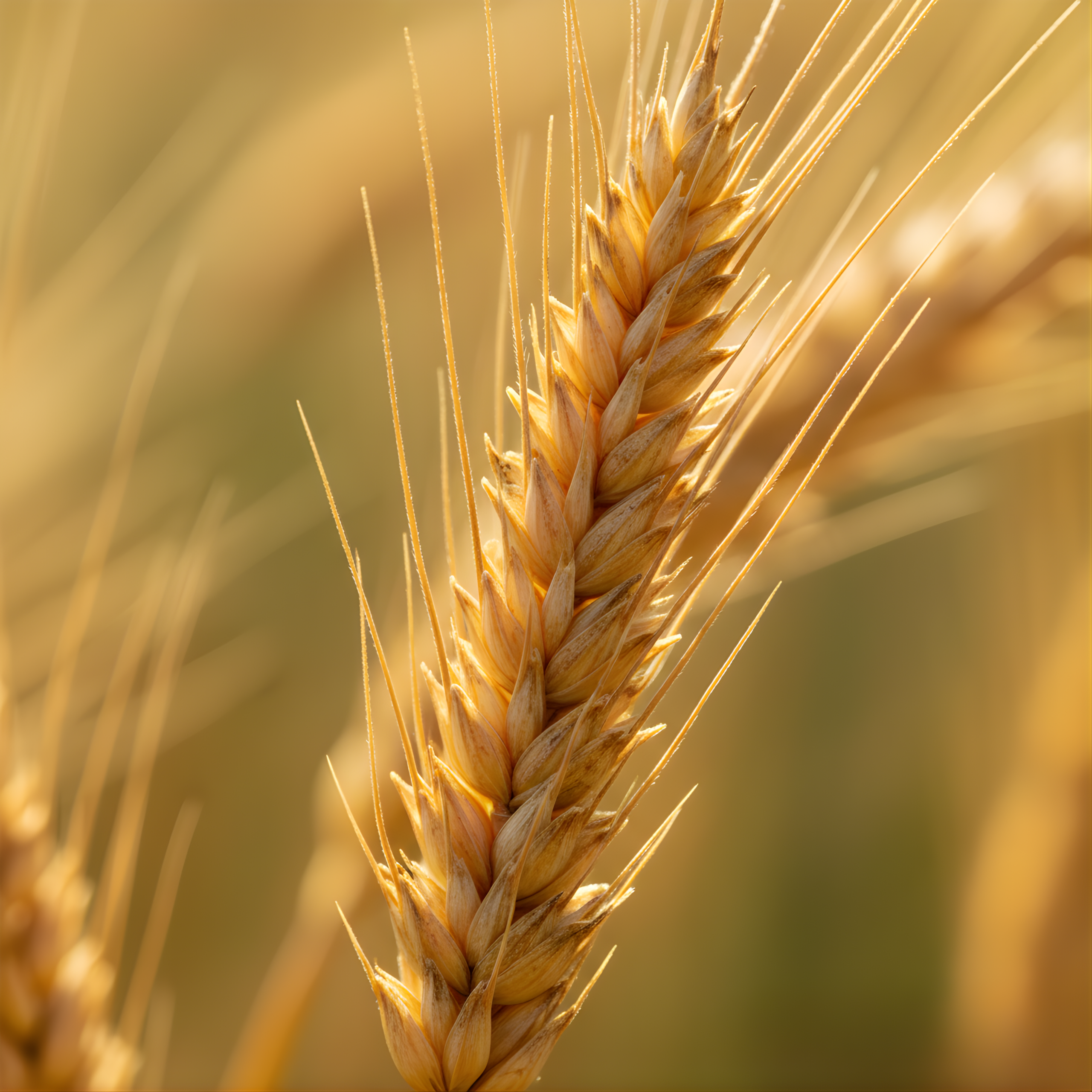
“DBW 303 (Karan Vaishnavi): Built for resilience, bred for results.”
Govt. Approved Variety
Recommended by ICAR for timely to late sown, irrigated conditions, especially suitable for North-Western Plains Zone.
Suitable For North Indian Soil Types
Performs consistently well in Punjab, Haryana, Western UP, Rajasthan and similar wheat-growing belts.
Excellent Grain Quality
Produces bold, lustrous grains with good test weight, suitable for milling and quality end-use products.
High Yield Potential
Delivers strong and stable yields even under varied sowing windows with proper nutrient and water management.
Disease Tolerant
Shows good tolerance to major wheat diseases, including leaf rust and stripe rust under normal field conditions.
Farmer Trusted & Proven
Widely preferred by farmers for its adaptability, yield reliability, and dependable performance across seasons.
“DBW 303 balances productivity with crop security.”
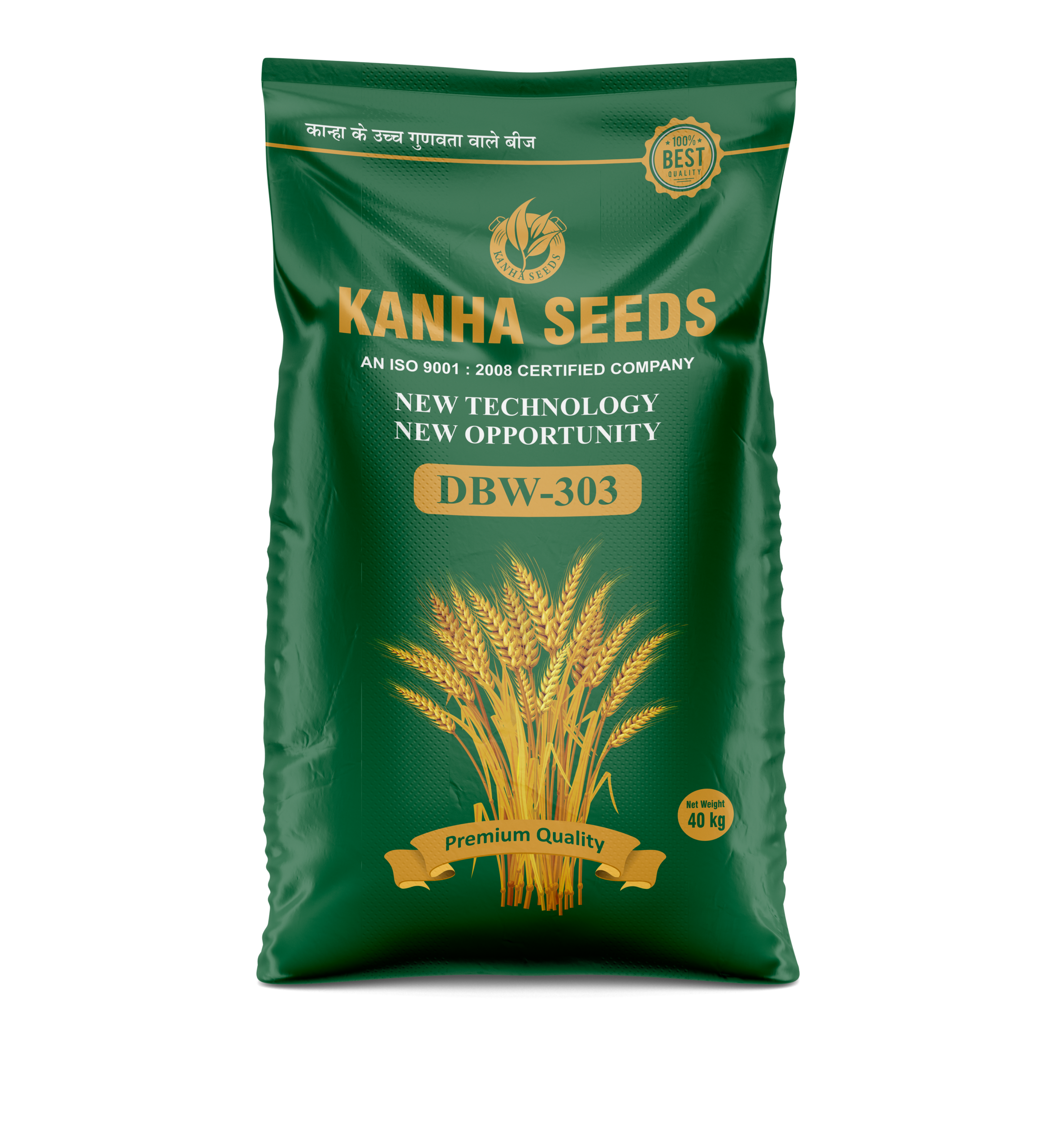
Why Choose Wheat- DBW 303 ?
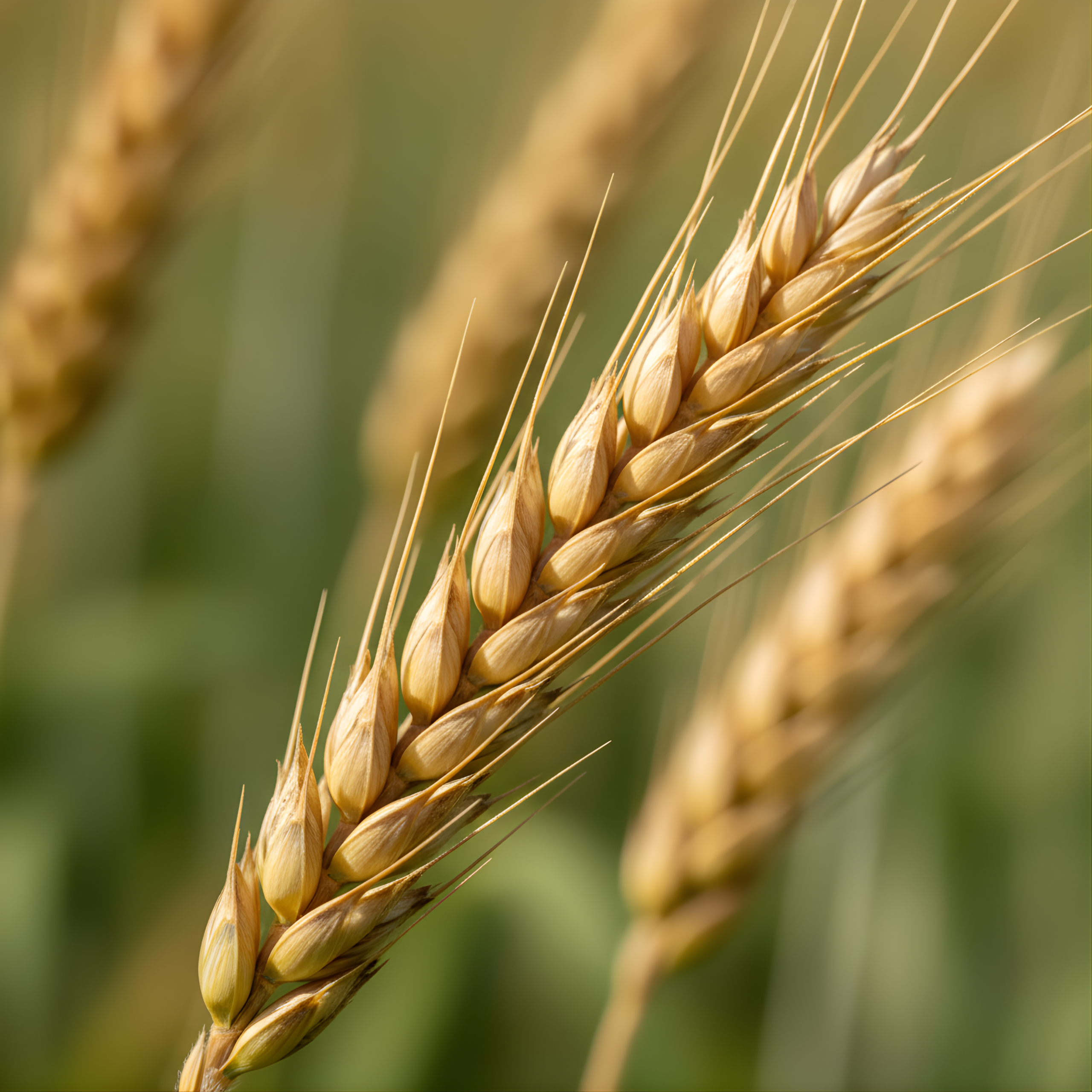
Early sowing, steady yield – performs best in timely irrigated fields.
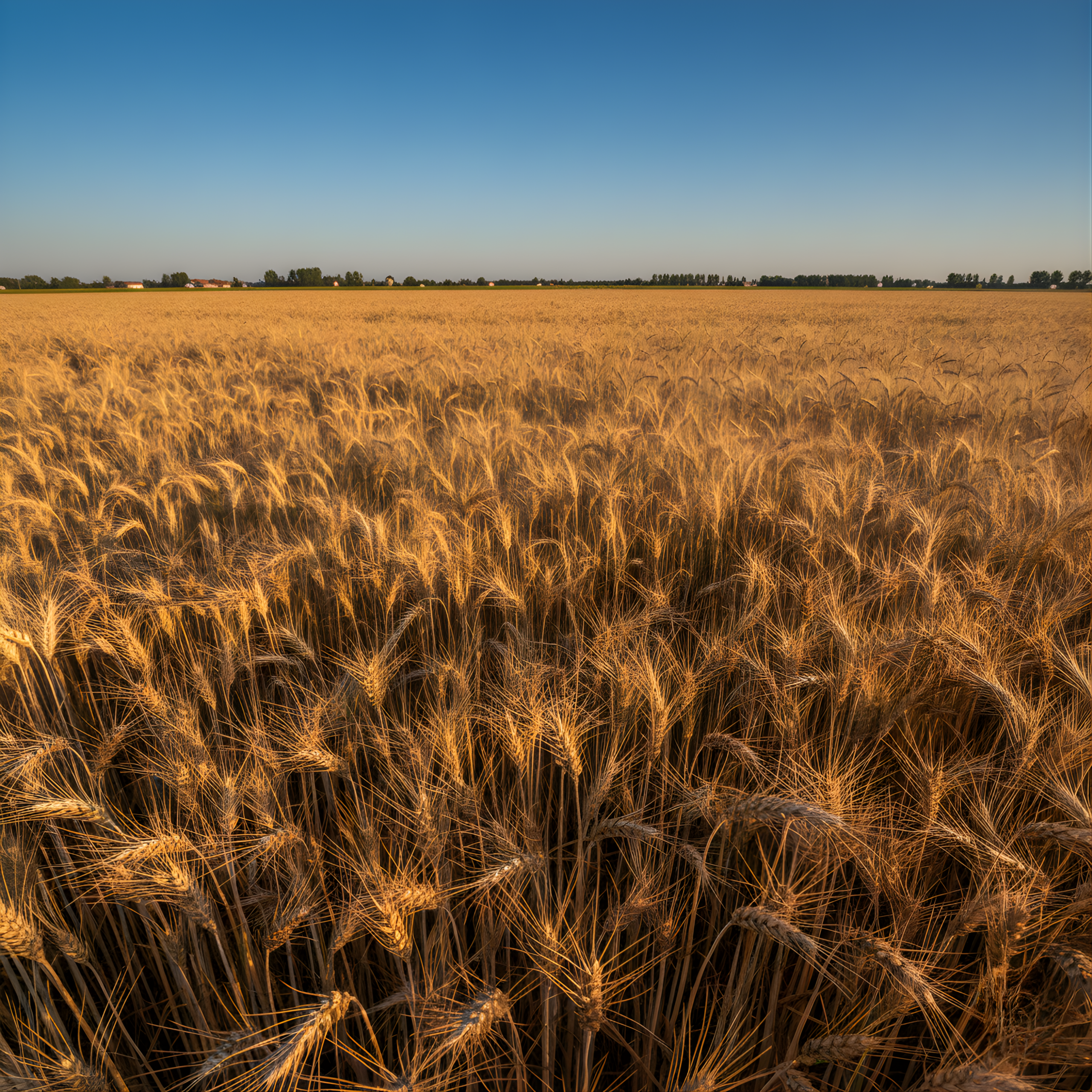
Rust & blast resistant – safer crop, lower disease loss.
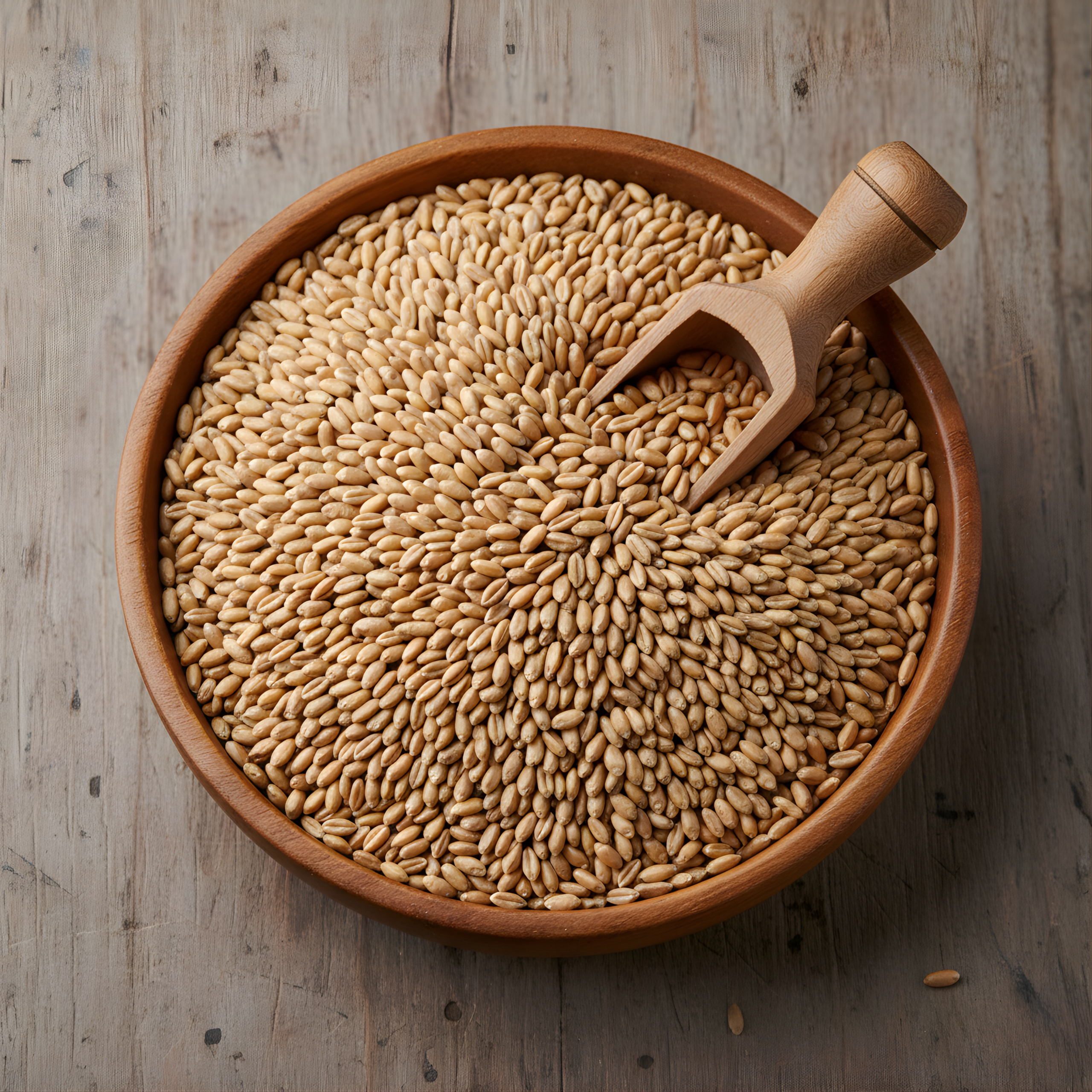
Bold grain, good chapati quality – easier selling, better returns.
Let's Bring Nature Into Your Lovely House
-
Sowing
Early sowing (25 Oct–5 Nov) recommended for max yield and to exploit cold period.
-
Grain quality
Attractive bold grains; good chapati making score.
-
Plant height
~100–105 cm (avg. reported ~101 cm).
-
Disease reaction
Extremely high resistance to yellow, brown, black rusts; resistant to wheat blast and many foliar diseases; stem rust resistance reported.
-
Yield (typical/potential)
Typical 50–60 q/ha under good management; potential higher under ideal conditions (reports vary; breeder trials show high potential).
-
Recommended area / agro-zone
Early-sown irrigated NW Plains — Punjab, Haryana, Delhi, most of Rajasthan (except some divisions), western UP (except some divisions), parts of J&K, Himachal (selected valleys) and terai Uttarakhand. Early sowing window ~25 Oct–5 Nov.
Agronomy & management
- Seed rate: Common practice ~40–45 kg/ha (confirm with local extension for your unit conversions). Use healthy certified seed.
- Spacing & fertiliser: Follow local KVK/SAU recommendations — apply balanced NPK based on soil test; top dress N in splits to support tillering. (Variety-specific fertilizer trials not required for basic page but link to local advisories.)
- Disease monitoring: Though DBW 303 is highly resistant to major rusts and blast, monitor fields during high disease-pressure periods and apply foliar protection only if scouting indicates need.
- Post-harvest: Grains are bold and suitable for chapati/flour — market positioning: “good chapati quality” increases value for table-wheat markets