
Wheat- PBW 872
Biofortified, rust-resistant wheat with excellent chapati quality and top yield potential for the North-Western Plains.
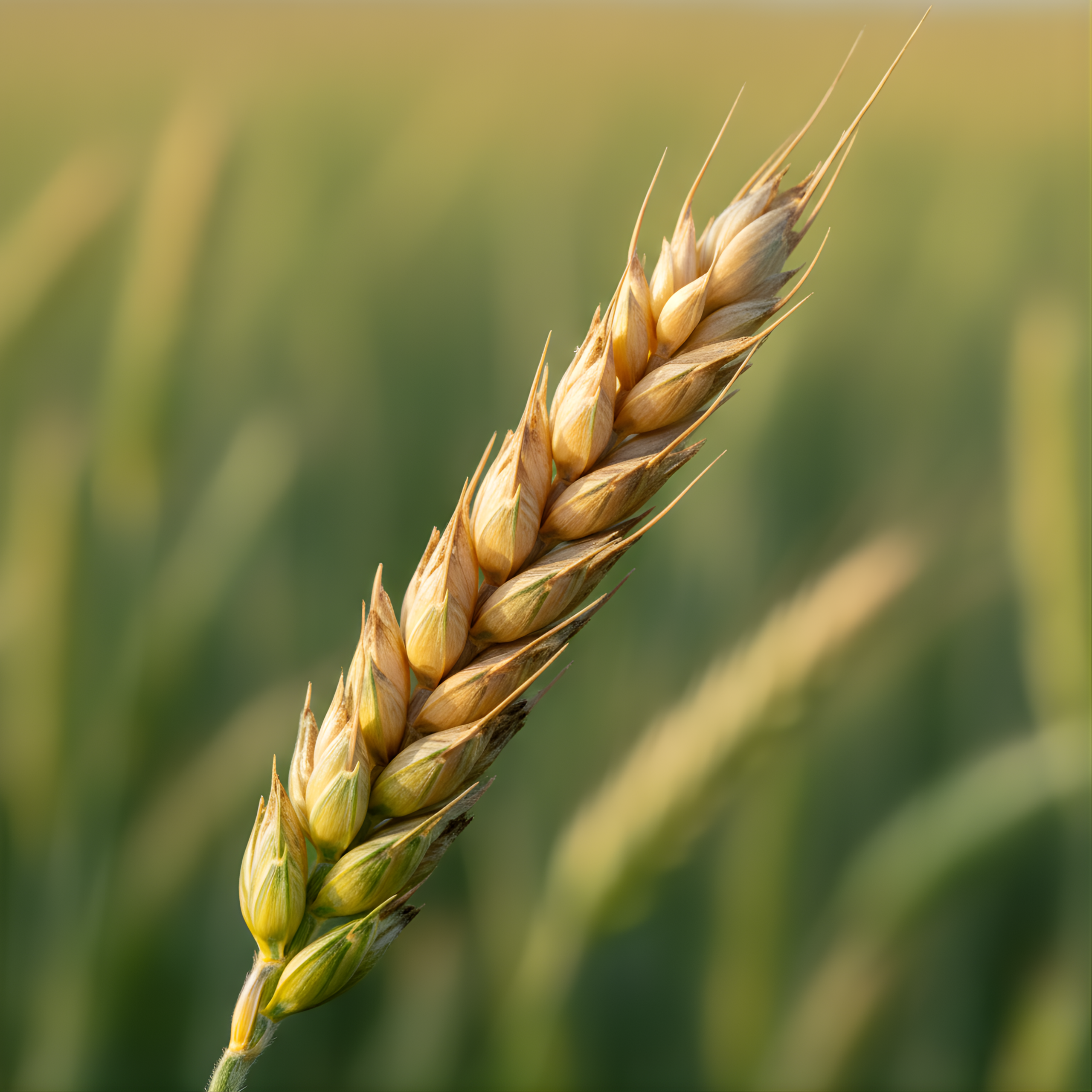
“PBW 872- where productivity meets reliability.”
Govt. Approved
PAU-recommended variety for timely sown, irrigated North Indian conditions.
Suitable for North Indian Soil Types
Well-adapted to Punjab, Haryana, Western UP, Rajasthan, and adjoining regions.
Disease Tolerant
Shows good tolerance to major rust diseases under field conditions.
High Yield Potential
Delivers stable and high yields under recommended crop management.
Excellent Grain Quality
Produces bold grains with good milling and chapati quality.
Farmer Trusted & Proven
Widely adopted for consistent performance and reliable returns.
“PBW 872 supports uniform crop growth and strong tillering.”
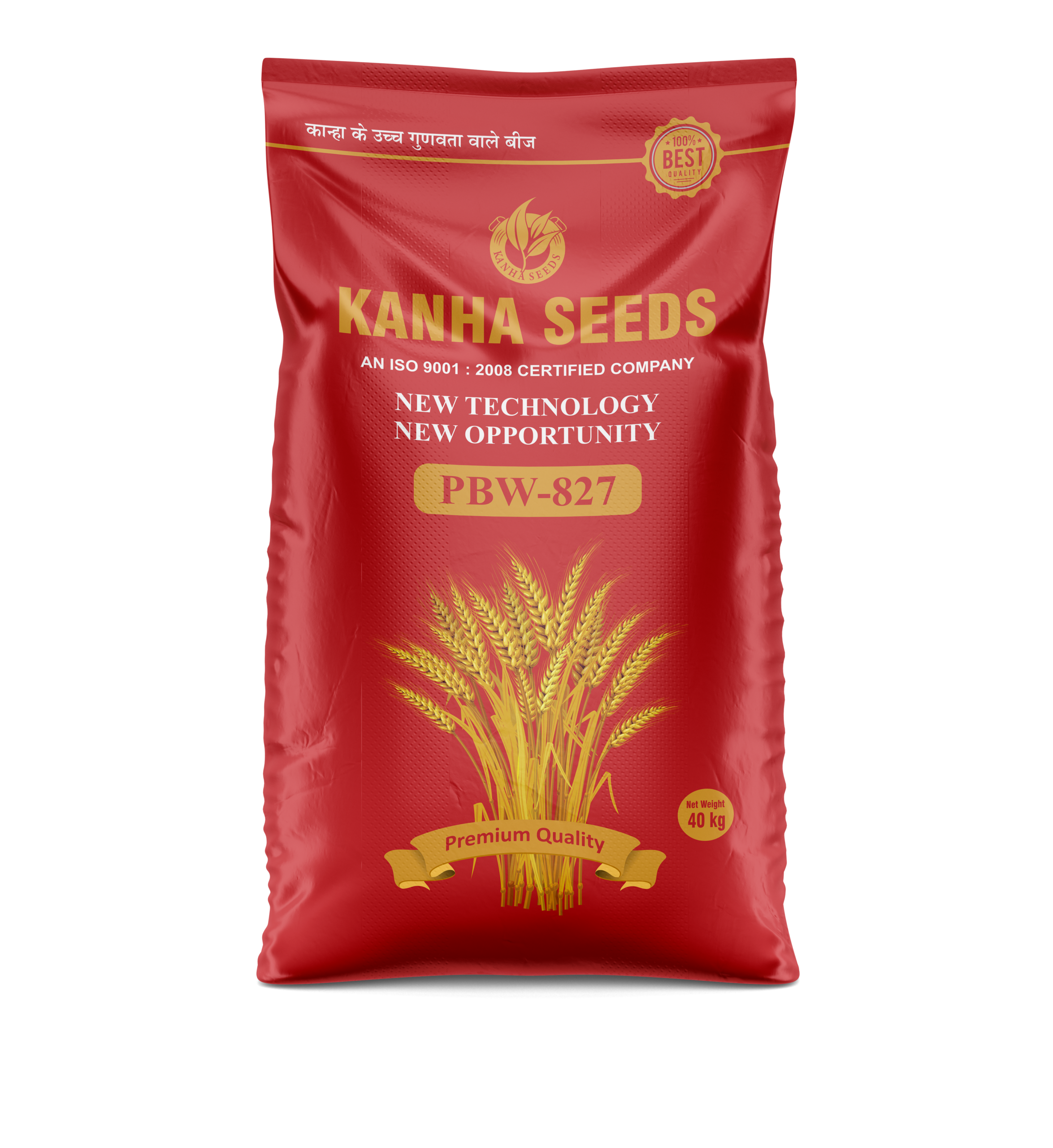
Why Choose Wheat- PBW 872 ?
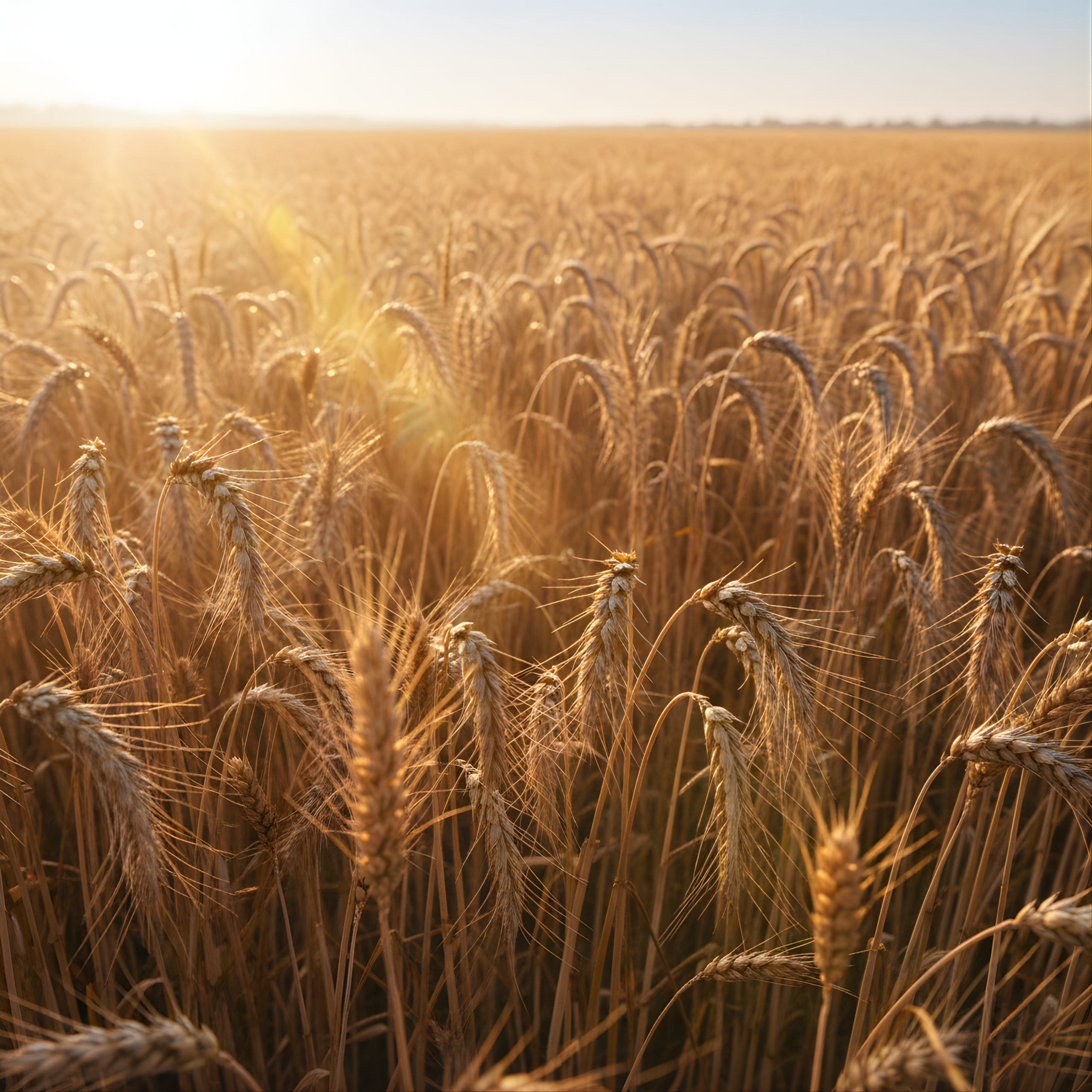
Biofortified grains (higher Fe & Zn) — better nutrition + marketing edge.

High yield potential under recommended management
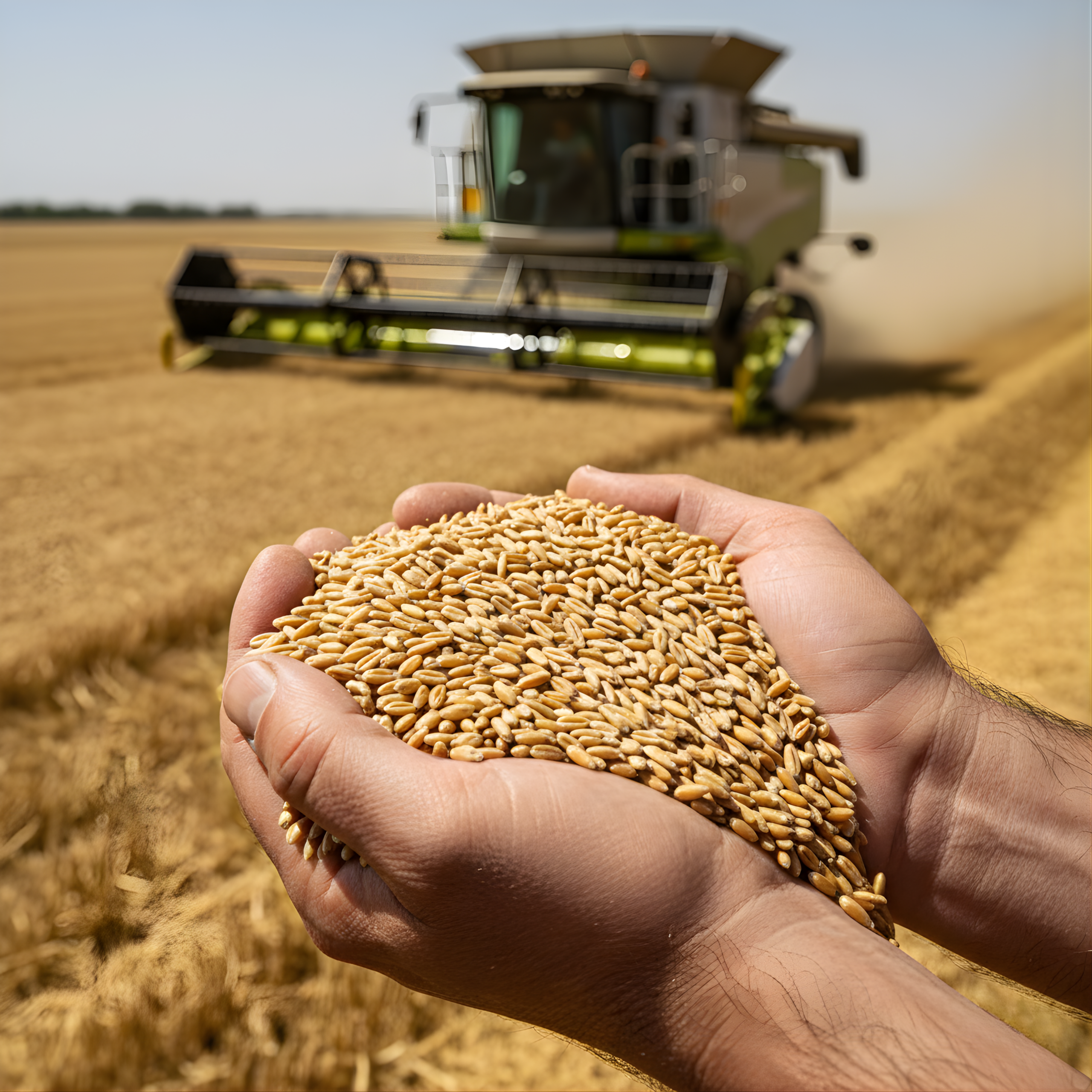
Good end-use quality for Indian flatbreads (chapati score ~8.2).
Let's Bring Nature Into Your Lovely House
-
Sowing window
Early Rabi / timely sowing (follow local PAU advisories for exact dates).
-
Seed rate
40–45 kg/acre (≈100–112 kg/ha) for timely sowing; adjust for late sowing per PAU guidelines.
-
Fertilizer
Balanced NPK as per soil test; follow PAU recommended doses — apply N in split doses (basal + top dressings at tillering & booting).
-
Seed treatment
Use recommended seed fungicide treatment before sowing (per ICAR/IIWBR advisories).
-
Rust tolerance
Rust tolerance reduces risk in rust-prone seasons.
-
Nutrition (biofortified)
Iron ≈ 42.3 ppm, Zinc ≈ 40.7 ppm.
Agronomy & management
- Average yield (trial/normal): ~75.2 q/ha (reported trial averages up to ~79.6 q/ha); maximum potential reported ~93.4 q/ha under high-input conditions.
- End-use qualiwty: Excellent chapati quality — chapati score ~8.2 / 10.
- Disease resistance: Moderate resistance to brown/yellow rust (good protection vs common rusts)
- Grain: Bold, attractive; 1000-kernel weight ~40–48 g (avg ~45 g).